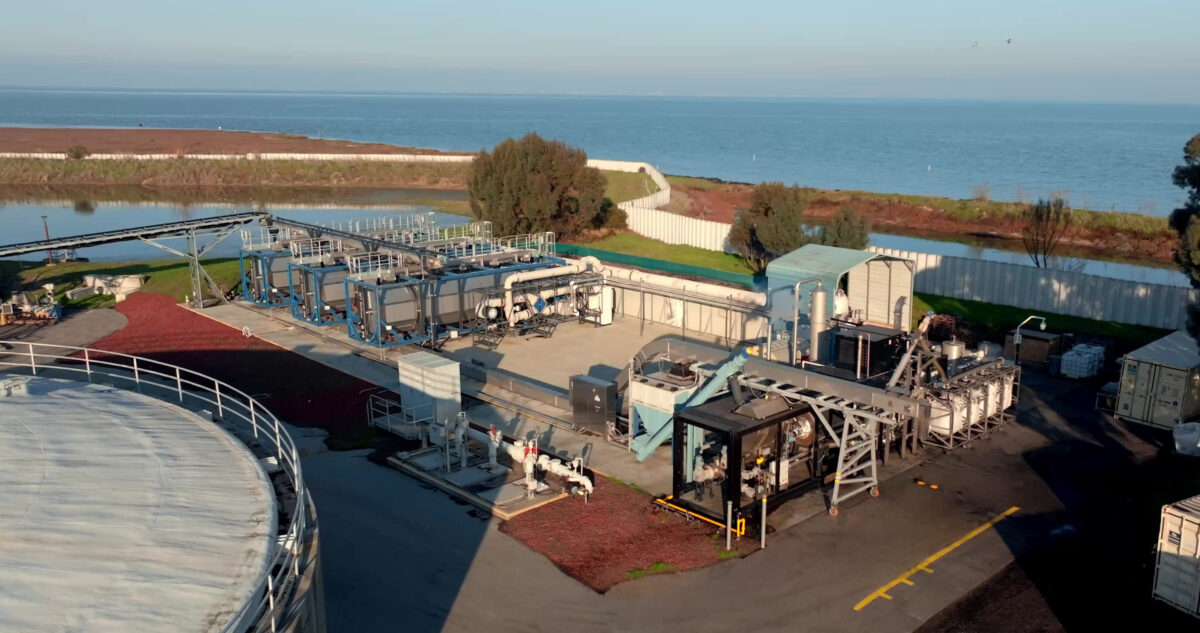
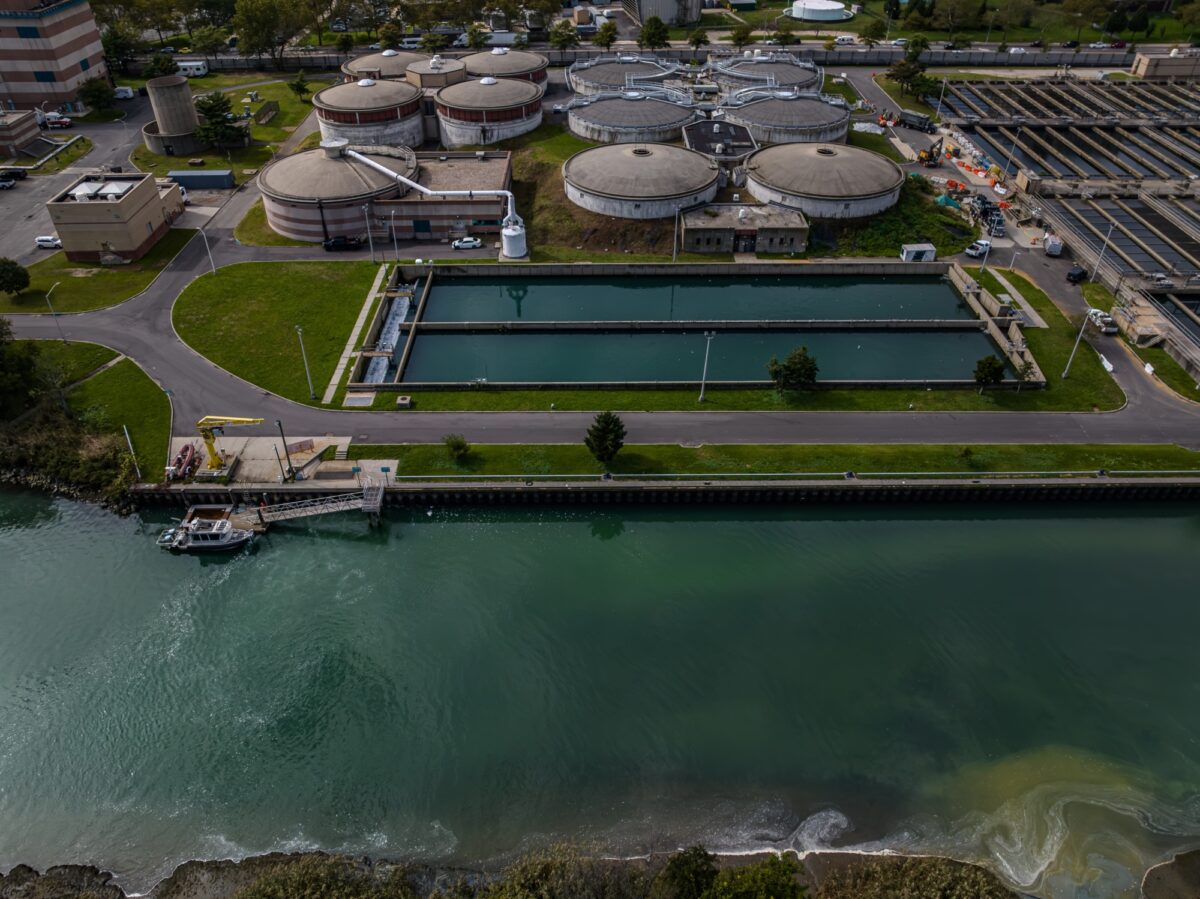
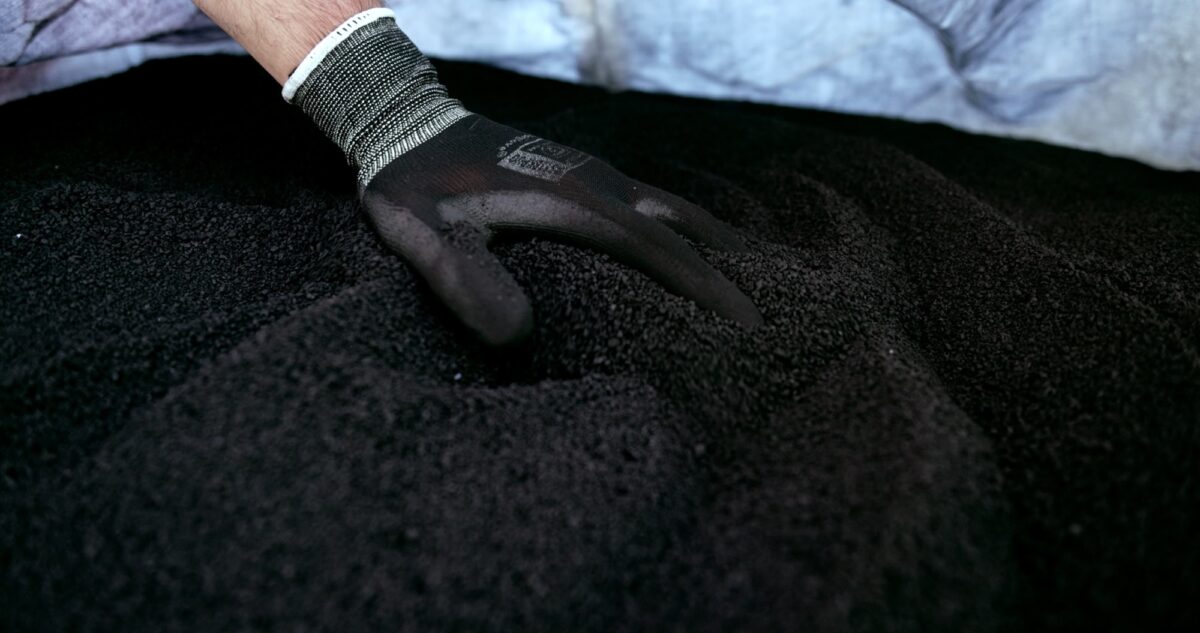
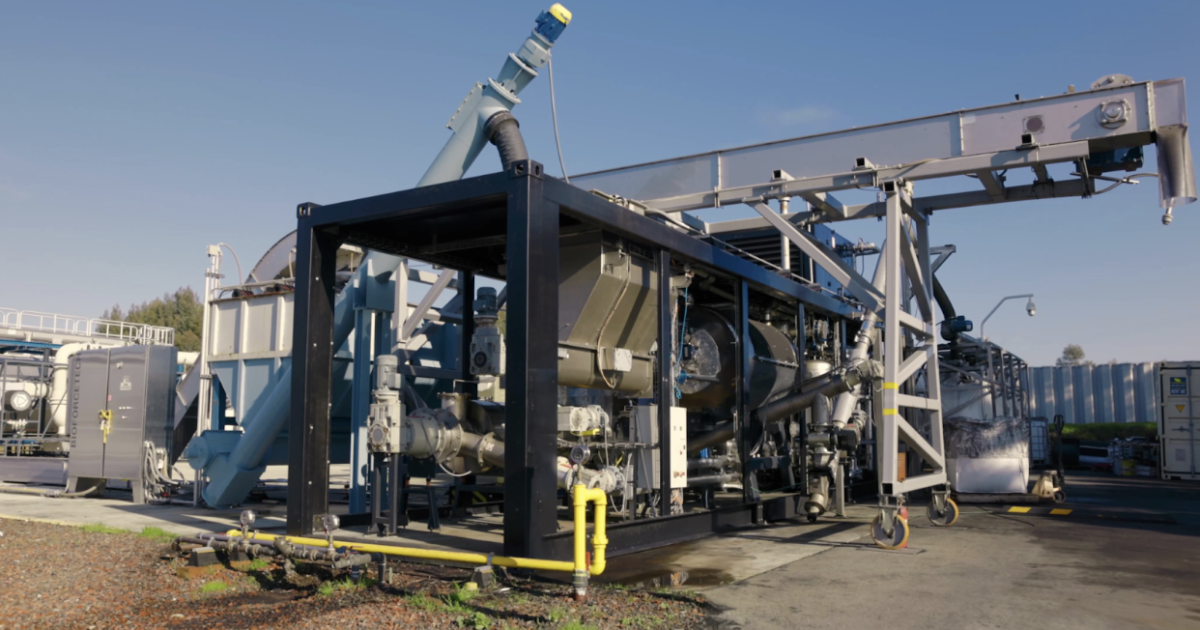
In June 2020, the EPA PFAS Task Force asked Bioforcetech to test whether pyrolysis technology could remove PFAS from sewage sludge biosolids as a third-party verified study. This testing dove deeper than the testing from the year before, covering how well the process removed PFAS from biosolids, and whether the compounds ended up in the biochar, the scrubber water (which cleans the gases), or the air from the emissions stack exiting the unit. The tests took place at BFT’s full-scale pyrolysis system at Silicon Valley Clean Water (SVCW) in Redwood City, California, the same system tested in 2019.
Samples were collected from the wet biosolids before BFT BioDrying, dried biosolids, the biochar, the scrubber water, tap water on site (to account for PFAS already in the water feeding the scrubber), and the emissions stack. Two separate labs tested the samples, then calculated the removal efficiency (RE)—a measure of how much PFAS was removed from the biosolids in the process. When PFAS levels in the biochar were too low to measure, the researchers used the lowest detectable amount as a stand-in. This gave them “greater than” values for removal efficiency.
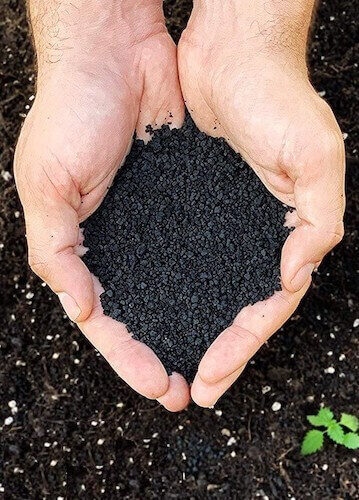
The dried biosolids contained 21 types of PFAS. In the biochar, however, only trace levels of two PFAS (PFOS and PFBA) were found. More than 97.4% of PFAS was removed overall. The scrubber water showed low levels of two PFAS: PFOSA, found in all seven samples, and PFOA, found in two samples from one of the labs and in none from the other. The study could not determine where the PFOSA came from.
The EPA study also looked at gases released by the pyrolysis system after the scrubbing and emissions controls that BFT employed on that unit. Since no standard test for PFAS in pyrolysis exhaust existed before this study, the EPA deployed two testing methods, a continuous testing method and a canister method. The canister samples found no PFAS in the exhaust gases, and the continuous method detected only tetrafluoromethane (CF4), just above its detection threshold, in some of the tests. The continuous method also laid the groundwork for creation of an EPA-approved testing procedure used on thermal processes nationwide today.
The EPA published the results of this study in a peer-reviewed article in 2022.